
What Are Gallbladder Stones?
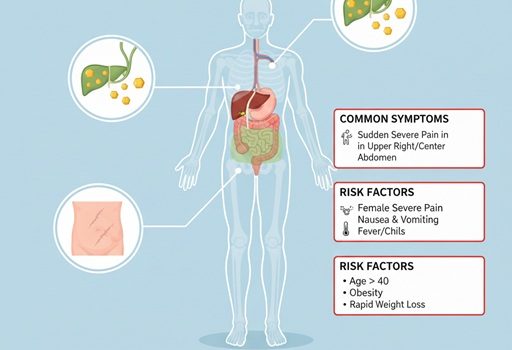
Gallbladder stones, medically known as gallstones, are hardened deposits that form inside the gallbladder — a small organ located beneath the liver. The gallbladder stores bile, a digestive fluid that helps break down fats. When bile contains too much cholesterol or bilirubin, stones may develop.
Gallstones can range from very small (like grains of sand) to as large as a golf ball. Some people may have gallstones without symptoms, while others may experience severe pain and digestive issues.
Causes of Gallstones
Gallstones typically form due to:
- Excess cholesterol in bile
- High bilirubin levels
- Incomplete emptying of the gallbladder
- Obesity
- Rapid weight loss
- Diabetes
- Pregnancy
- Family history of gallstones
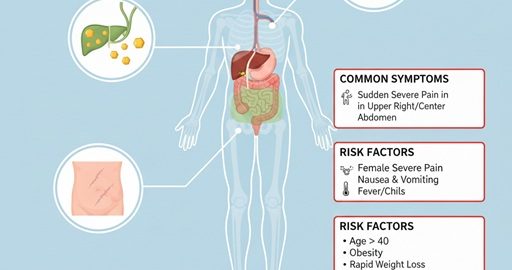
Women and individuals above 40 years of age are at higher risk.
Symptoms of Gallbladder Stones
Many gallstones remain silent. However, when a stone blocks a bile duct, symptoms may include:
- Sudden severe pain in the upper right abdomen
- Pain that radiates to the back or right shoulder
- Nausea and vomiting
- Indigestion or bloating after fatty meals
- Fever (in case of infection)
This painful episode is known as a gallbladder attack and requires medical attention.
Complications of Untreated Gallstones
If not treated in time, gallstones can cause:
- Gallbladder inflammation (cholecystitis)
- Bile duct blockage
- Pancreatitis
- Severe infection
Early diagnosis helps prevent emergency situations.
Diagnosis
At Ayushman Hospital, gallstones are diagnosed through:
- Physical examination
- Ultrasound abdomen (most common and effective test)
- Blood tests
- CT scan (if required)
Treatment Options
1. Medication
Small cholesterol stones may sometimes be treated with oral medications. However, this is not always effective and takes time.
2. Laparoscopic Gallbladder Surgery (Cholecystectomy)
The most effective and permanent treatment is laparoscopic removal of the gallbladder. It is a minimally invasive procedure involving small incisions, resulting in:
- Less pain
- Faster recovery
- Shorter hospital stay
- Minimal scarring
Patients can live a healthy life without a gallbladder, as bile will flow directly from the liver to the small intestine.
Recovery After Surgery
- Most patients go home within 24–48 hours.
- Light activities can resume within a few days.
- Normal routine usually resumes within 1–2 weeks.
When to See a Doctor?
Seek immediate medical help if you experience:
- Severe abdominal pain lasting more than a few hours
- High fever with chills
- Yellowing of skin or eyes (jaundice)
Early treatment ensures better outcomes and prevents complications.